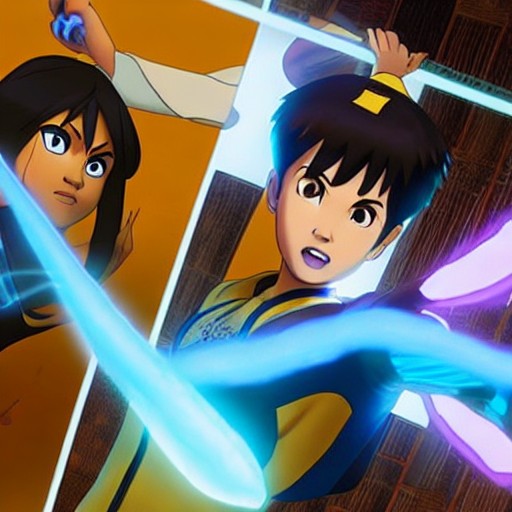
The second season of Avatar: The Last Airbender on Netflix is a spectacle of visual effects, with each elemental power depicted in a way that feels both real and magical. Earthbending's chaotic weight and firebending's interactive light are impressive, but airbending takes the cake by making invisible elements visible.
Through VFX studio Outpost, Avatar's creators managed to bring airbending to life using heat distortion from F-22 Raptor jet engines, giving the movement a tangible presence. This technique not only makes the air bending sequences more compelling but also aligns with the show's goal of making intangible elements feel real.
The effort behind these effects is commendable, especially considering the complex challenges involved in visualizing something as abstract as air moving and interacting with other elements like water and earth. The production team’s dedication to creating believable visuals underscores the importance of detailed research and creative problem-solving in bringing fantastical ideas to life on screen.
For those interested in the technical aspects, this approach offers valuable insights into how seemingly impossible effects can be achieved through innovative techniques. It demonstrates that with the right tools and vision, even the most abstract concepts can become part of a compelling narrative experience.