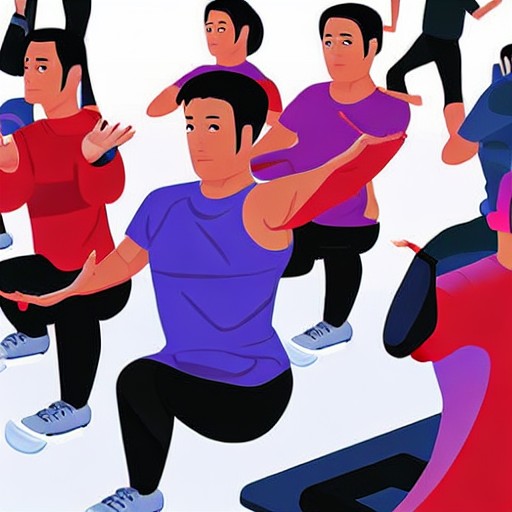
Ever since AI image generators exploded a few years ago, fears have grown that the technology would blur the line between reality and fiction online. But it seems dubious actors don’t need flawless photorealism to spread misinformation; they’re using bad AI-generated imagery to target older fitness enthusiasts with absurd ads for supposed tai chi walking programmes.
The ads promise 80-year-old men can achieve six-pack abs within weeks, all thanks to a fake AI-generated guru who spends most of his time shirtless. Thousands of variations appear on social media platforms targeting over 40s interested in light fitness or 'health hacks'. Despite the claims being so ridiculous that most people laugh them off, some are fooled.
These dubious apps offer generic AI-generated strength training and diet plans with no connection to tai chi, but reviews on sites like Trustpilot suggest they’re scams. Subscriptions cost more than advertised, often padded out with expensive add-ons that are hard to cancel once your credit card details have been provided.
The use of bad AI video acts as a visual filter, pushing skeptical viewers away while attracting those who might already be inclined to believe in the implausible. This technique effectively reduces resistance and increases vulnerability among potential victims, making them less likely to realise they’ve been tricked or take action against it.
Of course, generative AI has entered mainstream advertising too, proving that backlash isn’t enough to deter brands from leveraging this technology for their gain. It’s clear: the uncanny valley now serves as a new frontier for scammers, ensuring that even those who see through one scam are still vulnerable to another.