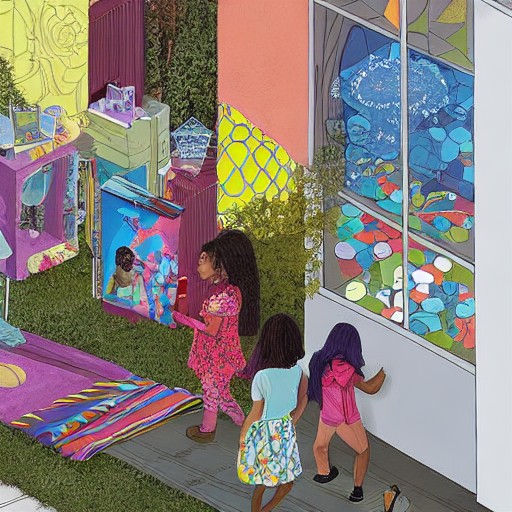
This week in art, we explore the outdoor studio of Texas artist John Dilandro, whose expansive collection has become an unexpected treasure trove. Despite being dismissed as 'folk art', his works reflect a unique creativity born from necessity and self-taught passion.
Elsewhere, Moira Donegan's reflection on artist Celeste Dupuy-Spencer’s posthumous book delves into the layers of her activism through a writer's perspective. MacLaughlin’s writing serves as both an encounter with the paintings and a challenge to the viewer, prompting a reckoning with America’s violent histories.
Ingrid Rojas Contreras’ personal essay on immigration resonates deeply, evoking parallels between Colombia’s political violence and the fear of detention in the United States. Her narrative poignantly highlights the cyclical nature of displacement and the uncertainty it brings.
Jia Tolentino’s exploration into plastic surgery culture unveils a world where beauty standards are commodified and often used to exert dominance, highlighting the psychological impact on individuals. The essay critiques an era where aesthetics overshadow human dignity.
Rounding out this week's reflections, Ellen O’Connell Whittet discusses the public domain status of Nancy Drew and Miss Marple books, sparking a conversation about their enduring relevance in modern times. As these classics enter the public sphere, they invite new interpretations and adaptations.