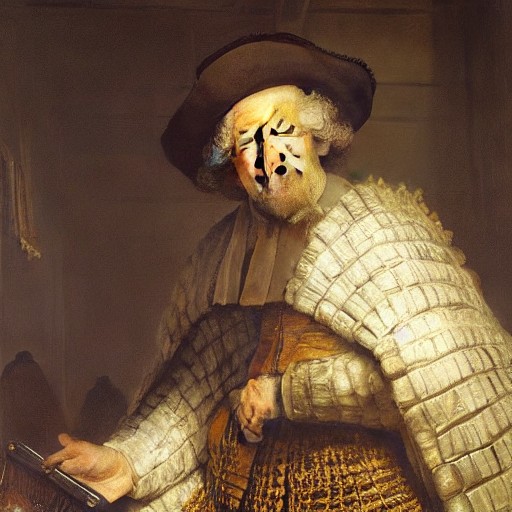
Why did Rembrandt, the master of self-portraiture and light, end up poor in his old age? An exhibition at Wilhelmshöhe Palace in Kassel delves into this question by tracing how, in 1632, he moved to Amsterdam, hoping to capitalize on his fame. Yet, despite producing a plethora of work, including etchings, history paintings and self-portraits, Rembrandt failed to align his artistic vision with commercial success.
The exhibition reveals that while his early works showed promise, aiming for both market appeal and personal expression, it was this very dualism that may have led to his financial downfall. His 1632 self-portraits are particularly telling: one portrays him in youth and splendour, the other a more intense, shadowed image, suggesting an internal struggle between fame and authenticity.
Interestingly, Rembrandt's name now adorns consumer goods like toothpaste and tobacco – but not exactly in a way he might have envisaged. The exhibition hints that his failure wasn't due to a lack of talent or creativity, but rather an inability to fully embrace the commercial aspects of art-making during his time.
Rembrandt 1632: Creation of a Brand also explores how other artists of the era managed their brands differently. Gerard van Honthorst, for instance, was more successful in aligning his name with market trends, suggesting that Rembrandt's downfall may have been due to his artistic integrity over commercial savvy.