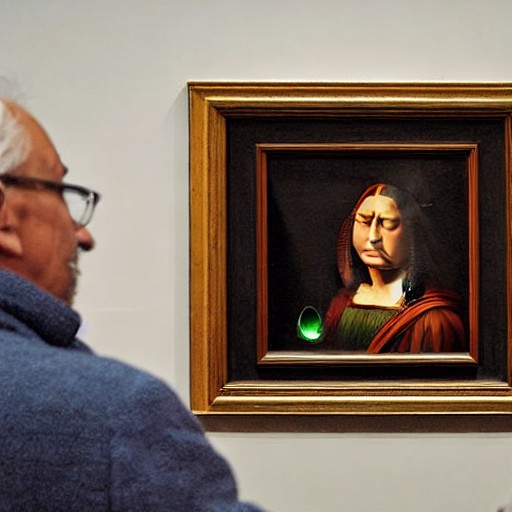
Leonardo da Vinci’s Madonna of the Yarnwinder has quietly been hanging at New York's Metropolitan Museum of Art since spring, only coming to light through a friend-of-a-friend. This small but significant piece, measuring just 20 inches high, depicts a Christ child holding a yarnwinder—a symbol foretelling the crucifixion—between two larger artworks by Francesco Francia and Andrea Solario.
Though it’s not receiving the same attention as more famous masterpieces like the Ginevra de’ Benci, currently in Washington, D.C., or the record-breaking Salvator Mundi, this painting holds its own. Author Martin Kemp describes it as one of two best versions made for Florimond Robertet and suggests it shows Leonardo’s continued involvement and influence on High Renaissance art.
Leonardo’s works are so rare in North America, with only the Ginevra de’ Benci at the National Gallery of Art in Washington D.C. as a permanent exhibit, that this painting’s presence is noteworthy. The Met has been discreet about its acquisition and display, with no official announcements or press releases.
In 2011, Kemp identified complex origins for the painting, acknowledging both Leonardo’s personal touch and studio work. As technology advances, further examination may unravel even more secrets of this hidden masterpiece.