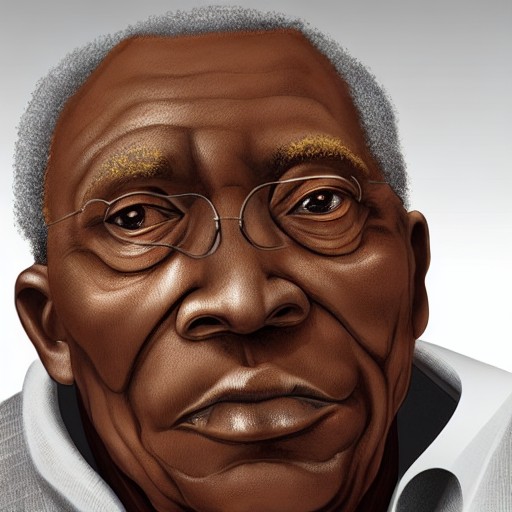
Sculptor Melvin Edwards died at 88, leaving behind a legacy that fused abstraction with poignant historical narratives. His innovative works explored the scars of slavery, using materials like chain and barbed wire to evoke both pain and resistance.
Edwards’ career was marked by groundbreaking exhibitions and profound reflections on racial politics within the art world. In 1963, he produced 'Some Bright Morning,' a series that highlighted the brutal realities of racism. His work in New York during the 1960s further challenged formalist aesthetics with socially charged pieces.
His travels to Africa and Cuba deepened his artistic vocabulary, creating a unique blend of cultural and political commentary. Edwards’ influence on younger artists like David Hammons is evident, shaping new pathways for considering art’s role in society.
Through his ebb and flow between abstraction and figuration, Edwards offered a nuanced perspective on the complexities of race and history. His sentimentality, as he once said, was both personal and political, reflecting the deep connections he made with communities worldwide.