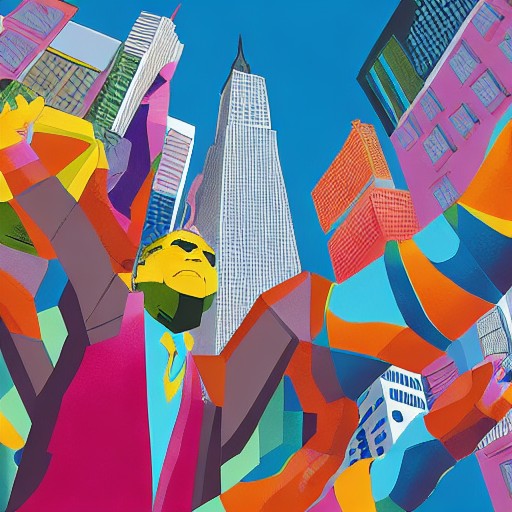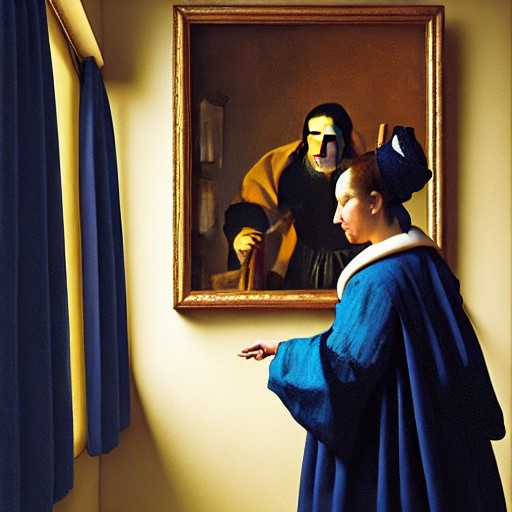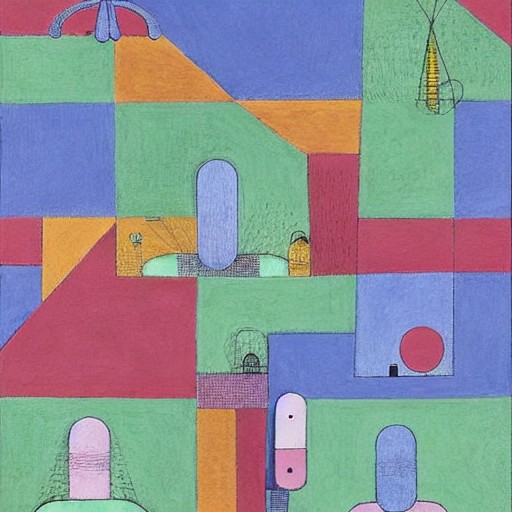
For years, modern art eluded me. It wasn’t until I read Paul Klee’s Art does not reproduce the visible; rather, it makes visible that everything clicked. This 1920 statement feels more relevant than ever as AI art becomes increasingly prevalent. The key takeaway? Art isn't about replicating what we see but about revealing emotions and ideas.
In Klee’s Creative Credo, he urged artists to look for harmonies of colour, much like a composer finds musical rhythm. His own work is a testament to this philosophy, with paintings that often use simplified forms, symbols and abstract compositions. These pieces are closer to music or poetry than traditional representation.
As someone who has edited top magazines on art and design, I know the importance of conveying feelings through our creations. Whether designing a 3D environment or creating a logo, the goal is rarely just accuracy. AI can’t match this because it lacks emotions and ideas.
This philosophy shaped Klee’s teaching at the Bauhaus, where he encouraged students to understand the underlying structures of creativity, not just copy what they see.
Paul Klee's words remind us that true art is about making visible the invisible, offering audiences something they can sense but never express. That’s why in everything we create, ideas and feelings matter more than replication.