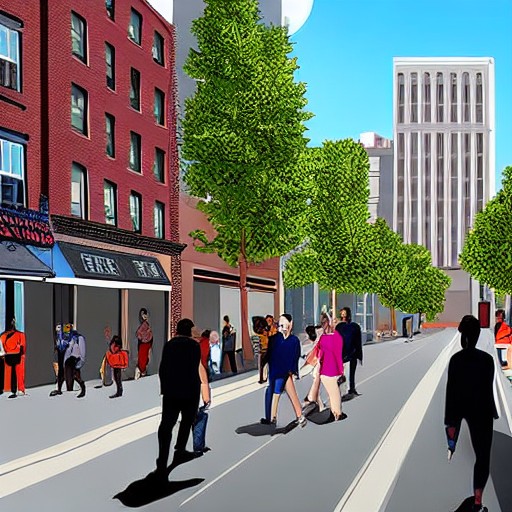
The name ‘Pearl Street’ in lower Manhattan is a clue to its Indigenous past. Long before the city’s current skyline, this area was home to Lenape shell middens—historic piles of discarded oyster shells up to four feet deep.
These remnants, now hidden beneath modern streets and roads, were once significant landmarks marking the shoreline. Alan Michelson’s public art installation “The Oyster”, on Governors Island, aims to bring this buried history back into view. His work seeks to remind us that the Indigenous presence is not just a footnote but an integral part of the city's fabric.
In 1839, Daniel Tredwell and his father wandered among these shell heaps, unaware of their significance. Today, Michelson’s installation invites visitors to reconsider what’s visible and invisible in our urban landscapes. It challenges us to acknowledge that historical erasure often leaves a lasting impact, one reflected in the very names we use.
The story of Pearl Street is just one chapter in the broader narrative of New York City's Indigenous legacy. As Michelson suggests, this history continues to influence and contest our present-day realities. By bringing it into focus, his artwork prompts us to question what we choose to remember and how that shapes our understanding of place.