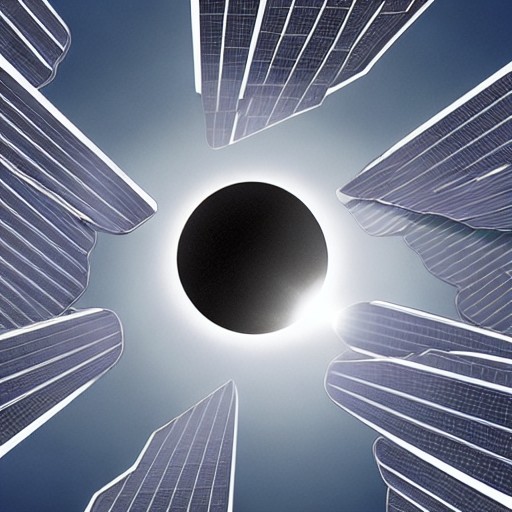
This week's solar eclipse offered a stark reminder of when smartphone AI photography takes creative liberties – and not in a good way. Users of several high-end phones found their attempts to capture the sun’s dramatic dance with the moon were anything but natural.
One top-of-the-range model, Samsung Galaxy S26 Ultra, seemed to confuse the sun for a supermoon, resulting in photos where the sun appeared as if covered by another celestial body. Similar mishaps were reported by users of Oppo Find X9 Ultra and Xiaomi 17 Ultra, whose AI interpreted the eclipse as an opportunity to paste a lunar surface texture over the sun.
The issue isn’t just about aesthetics; it questions the essence of photography itself. If our phones are inventing elements rather than capturing reality, what does that say about the value of these images?
Samsung has defended its technology, stating it only sharpens existing detail rather than generating new imagery. However, the public reaction suggests a growing scepticism towards AI-assisted photography. The debate is shifting from just technical prowess to whether such enhancements detract from the authenticity of what we’re trying to capture.