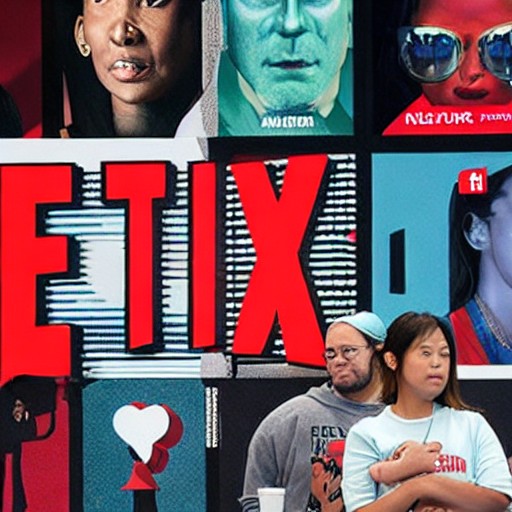
Just because you don't recognise something, doesn't mean it's AI. The recent controversy over Netflix's Hamnet movie splash page highlights a growing trend: anything that looks a bit off or unfamiliar is quickly accused of being the result of artificial intelligence.
In Erik Anderson's complaint about the 'AI-generated' text on the Hamnet splash page, we see a microcosm of broader concerns. The text isn't mangled; it’s an archaic long ‘S’, typical in Shakespearean times. Yet, for some, the unfamiliarity is enough to reject the image outright.
Spotify and art conferences are already cracking down on AI-generated content, but now even movies are facing the same scrutiny. As we become increasingly conditioned to reject anything that confounds us or makes us uncomfortable, where does this leave true artistic innovation?
The best art often challenges our perceptions. Shouldn't we embrace these moments of confusion as opportunities for discovery and learning rather than immediate rejection? The Hamnet splash page controversy might be small, but it's a significant shift in how we perceive and interact with technology.
Sign up to Creative Bloq's daily newsletter, which brings you the latest news and inspiration from the worlds of art, design and technology. Daniel John is Design Editor at Creative Bloq. He reports on the worlds of design, branding and lifestyle tech, and has covered several industry events including Milan Design Week, OFFF Barcelona and Adobe Max in Los Angeles. He has interviewed leaders and designers at brands including Apple, Microsoft and Adobe. Daniel's debut book of short stories and poems was published in 2018, and his comedy newsletter is a Substack Bestseller.