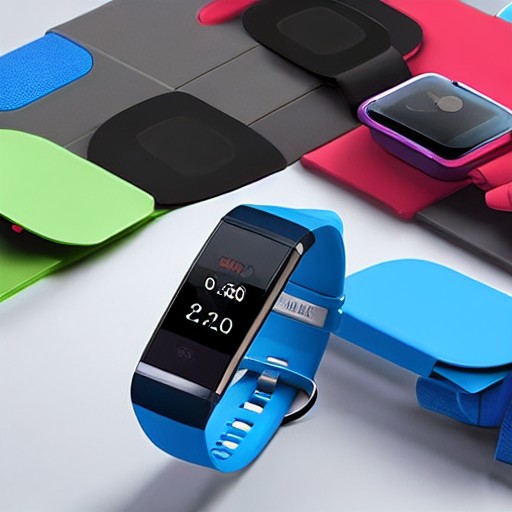
The promise of personalized health is like a beacon in the digital age, promising tailored solutions based on your unique biological data. But as I sit here pondering my monthly waxing session—now rebranded from PCOS to PMOS—it feels more like wading through a swamp than navigating clear waters.
Polycystic ovary syndrome (PCOS), now renamed to polyendocrine metabolic ovarian syndrome, or PMOS, is just one example of the complexity. The condition's multifaceted nature means that treatments and experiences vary widely. My esthetician and I share this diagnosis but differ in symptoms and responses, highlighting the challenges of personalization.
Health tech companies tout the potential for AI to offer personalized insights, from recommending workouts based on heart rate variability to suggesting supplements through blood tests. But as with PMOS, these solutions often fail to account for individual complexities. The catch-22 of weight gain and insulin resistance in conditions like PCOS shows that a one-size-fits-all approach simply won't work.
The allure lies not just in the technology but in the hope it offers—control over our health. Yet, as I reflect on my journey with PMOS, it’s clear: personalization is more than just data; it's understanding and addressing the unique challenges each of us face.