The landscape of sleep technology is undergoing a significant transformation as devices evolve from passive trackers to active guides. This shift heralds the promise of healthier habits and better sleep quality through AI-driven insights and personalized recommendations.
However, this evolution also raises valid concerns about the prescriptive nature of advanced sleep tech. As these tools become more sophisticated, they risk fostering pressure and anxiety rather than support for users striving to improve their sleep hygiene.
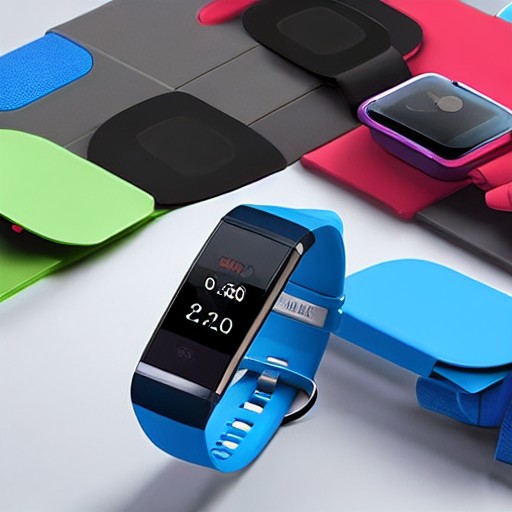
Multitudes of wearable devices have been tested by experts, and from smart rings to headbands and non-wearable options, standout performers like the Oura Ring and Whoop have emerged. The Oura Ring, with its comprehensive suite of sensors, offers accurate assessments and user-friendly insights, while the Whoop wristband focuses on sleep sufficiency and strain metrics.
The key takeaway is that these tools should remain supportive rather than directive. As we continue to integrate AI into our daily lives, it's crucial to ensure that the technology complements human intuition and self-care practices without becoming a source of stress or undue pressure.