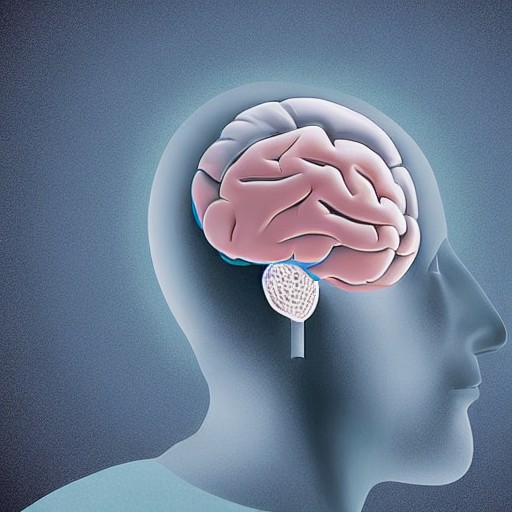
Casey Harrell, an ALS patient from the US, has become the first to fully utilise a brain implant that allows him to speak. The device, implanted three years ago, translates his thoughts into words, enabling him to communicate with friends and family, read to his young daughter, and even perform his job as an environmental activist.
Harrell can now use the system largely independently after initial setup by a carer, thanks to recent automation. The team has improved its accuracy from 99.6% to 99%, allowing him to type emails or messages with ease. He also benefits from privacy and profanity filters tailored for his daughter.
“Living with ALS doesn’t mean you have to give up your dreams,” says Harrell, who sees this technology as revolutionary. The research team’s work on decoding speech has been a monumental step forward in brain-computer interface (BCI) technology.
The success of the device might not be replicable for everyone, warns Mariska Vansteesel, another BCI researcher. She points to her experience with an ALS patient who used a different system but saw its effectiveness decline after seven years due to brain degeneration.
This breakthrough showcases the potential of BCIs in overcoming communication barriers, yet it also highlights the need for further research and validation across diverse populations.