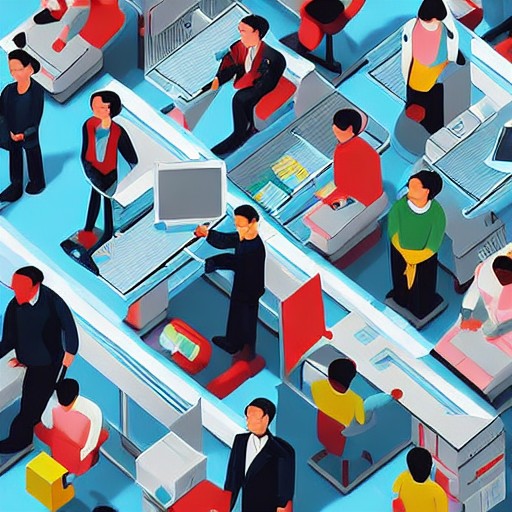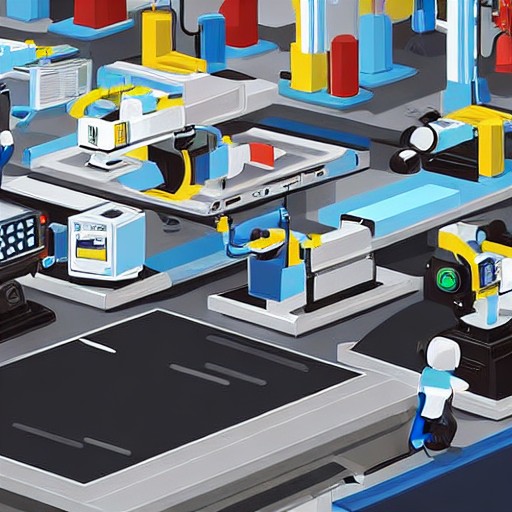
OpenAI has introduced a new feature allowing teams to create custom bots that can independently perform business tasks such as generating reports and drafting emails. These cloud-based agents offer a solution for streamlining workflows, but they also mark a shift from the company’s previous GPT chatbots.
The launch of workspace agents comes after a surge in interest in AI-driven automation tools. OpenAI's new agents can share contextual information, follow team processes and request approvals, all while keeping work moving across various tools. These capabilities could signal the end for some of their existing GPTs, with plans to convert them into workspace agents.
However, this move also raises questions about job security in an increasingly automated world. As AI becomes more adept at performing routine tasks, it may lead to a redefinition of human roles within organizations. While the new agents can be shared and improved upon collaboratively, they could potentially diminish the need for certain human inputs.
The competition from firms like Anthropic is also intensifying. Their Claude Cowork agent, which can use files from your computer, adds another layer of complexity to this evolving landscape. The race is on to see who can best integrate AI into existing workflows and foster a seamless user experience.
As these technologies continue to advance, the lines between human and machine collaboration may blur further. While some view automation as a threat, others see it as an opportunity for greater efficiency and productivity. The ultimate question remains: will we coexist with our AI counterparts or find ourselves obsolete?