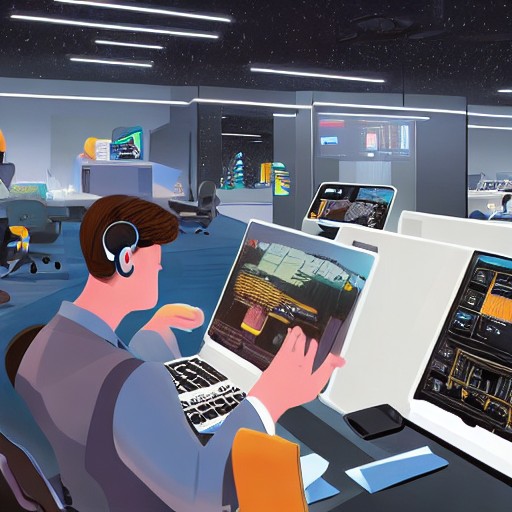
To optimize AI’s potential within hybrid workforces, leaders must adapt by re-evaluating roles, skills, and culture. As AI agents autonomously coordinate complex tasks, they transform from tools to collaborators, forcing a shift in workplace dynamics.
Adoption of agentic AI is expected to surge by 300% over the next two years, leading HR leaders to believe that workplace norms will be completely transformed. Chief HR officers predict that navigating digital labor shaped by agentic AI will be central to their roles going forward.
Ateet Jayaswal from Wipro emphasizes the need for a mindset shift in enabling organizations. By redeploying roles and reskilling employees, leaders can focus on higher-value work while AI handles routine tasks, ensuring that human creativity and imagination are still at the forefront of problem-solving.
As roles evolve, technical skills will become increasingly important, with leading employers already rolling out dedicated AI and digital skills programs. However, soft skills such as relationship building, collaboration, and adaptability remain crucial for success in a hybrid workforce.