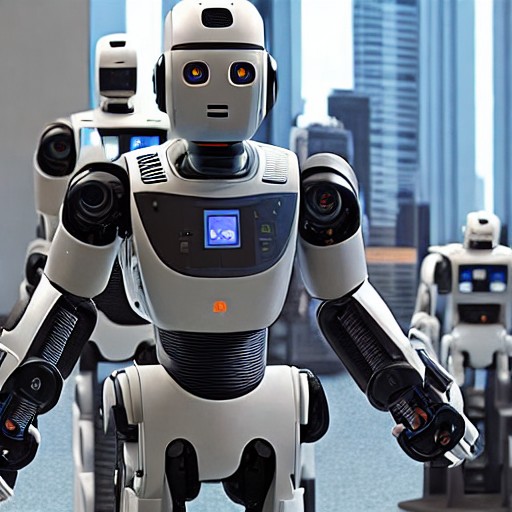
Each time a major corporation announces layoffs tied to artificial intelligence (AI), fears of widespread job loss grow. According to reports from May 2026, around 90,000 jobs were cut due to AI, and up to 15% of US employment is projected to be automated in the next five years.
However, a recent study by Ramp and Revelio Labs suggests that heavy AI investment may correlate with increased headcount. High-intensity adopters saw entry-level roles grow by an impressive 12%, while overall headcount increased by 10.2%.
The data, however, is skewed towards tech-savvy companies, making it hard to determine if the rise in jobs is due to AI or simply firm expansion. The report's authors admit that 'AI does not universally create jobs,' but it certainly contradicts claims of widespread job losses.
The complexities don't end there. While entry-level positions in tech-forward firms increased, research from Goldman Sachs indicates a net loss of 16,000 jobs per month over the past year, with Gen Z and junior workers bearing the brunt.
It seems that while AI can make core outputs cheaper or faster, only those companies with sufficient resources to invest in it are reaping significant benefits. The divide between these firms and those stuck experimenting is growing wider, potentially leading to a scenario where resource-rich companies continue to expand, leaving others behind.