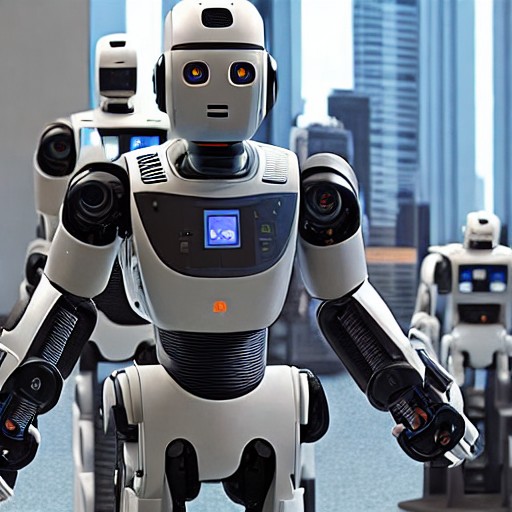
In Japan, where demographic pressures have created a critical shortage of labour, physical artificial intelligence (AI) is stepping into the void. The Ministry of Economy, Trade and Industry aims to build a domestic sector capturing 30% of the global market by 2040.
Driven by cultural acceptance and deep industrial strength in mechatronics, Japanese companies are increasingly deploying these AI-powered robots across factories, warehouses, and critical infrastructure. Investors like Woven Capital’s Ro Gupta highlight that they are being adopted not just for efficiency but as a continuity tool to keep operations running with fewer people.
Japan faces a pressing need due to its shrinking working-age population; essential services can’t be sustained without labour. Salesforce Ventures’ Sho Yamanaka notes this shift from mere efficiency to industrial survival is vital for maintaining standards and social services.
The hardware strength in Japan, particularly in high-precision components, gives it a strategic advantage. However, the U.S. and China are moving faster towards full-stack systems that integrate hardware, software, and data. As WHILL’s Satoshi Sugie explains, their strategy is to leverage both local expertise for refinement and global innovation hubs.