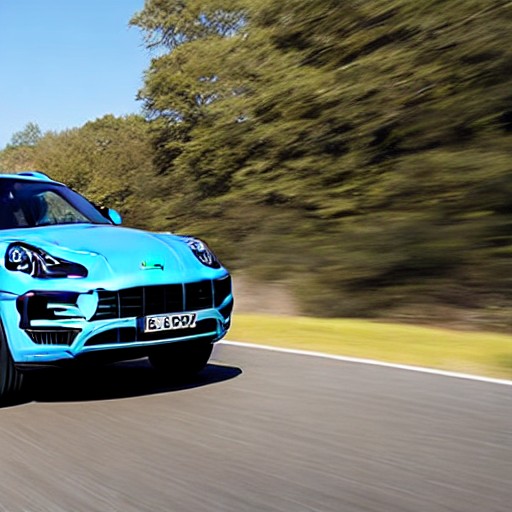
A few days after renting an SUV, my driver’s license had a new, unexpected use: it hit the dark web. A recent exposé by KrebsOnSecurity revealed that more than 153 million driver’s licenses, including mine, were for sale on a new service called Nexus. The IDs were in high resolution, with images captured in infrared and ultraviolet spectrums, potentially making them harder to spot as fake.
Along with driver’s licenses, Nexus offered a wide array of other ID types, such as identification cards, travel cards, medical cards, and even marijuana dispensary cards. The service appeared to source its IDs from various sectors, including commercial drivers and government buildings.
The incident raises serious concerns about the security of personal data and the ease with which it can be compromised. With the FBI investigating, it’s clear that this is not just a simple case of identity theft but a broader issue of data protection and privacy in the digital age.
The implications of this breach are far-reaching. Not only does it affect individuals who have their IDs compromised, but it also highlights the vulnerabilities in the system. As more of our lives move online, safeguarding personal information becomes increasingly crucial. The next time you rent a car, it might be worth considering how many digital copies of you are out there.