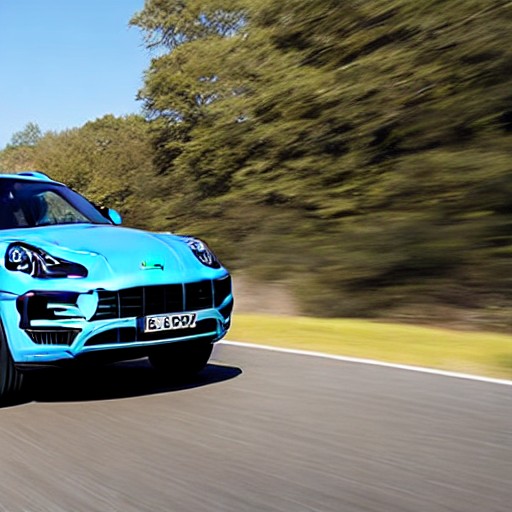
Perhaps it was the subtle grey paint, or the slightly bulbous roofline, but as I shuttled kids and groceries around city and suburban streets, no one seemed to notice the sleek, electric Porsche Macan Turbo. Unlike other electric cars I’ve tested, no enthusiasts stopped to inquire. The 2026 model simply blended in, leaving a trail of existential questions. What exactly is a sports car now, and does it need to be as extroverted as it once was?
The punchy acceleration and four-wheel steering brought the car to life on winding roads. My passengers, both my own and others, praised the performance. The G-forces reported on the head-up display made it feel as if I were plummeting, and the car’s responsiveness was undeniable. However, the options menu was a minefield. I’d skip the passenger display and the illuminated seats – surely a washing machine could do the same?
The Macan Turbo’s EV qualities were commendable. It charged fast and offered a substantial range, but the navigation system was a weak link. When the car suggested a sequential charging route, I ignored its advice and charged directly, arriving with a full battery. The system’s insistence on a 20% threshold was baffling, and there’s probably a setting to change that, but it was not obvious.
For those with deep pockets, the electric Macan is a statement. It’s like the answer to an esoteric Jeopardy! question: ‘What does an identity crisis look like in the automotive industry?’