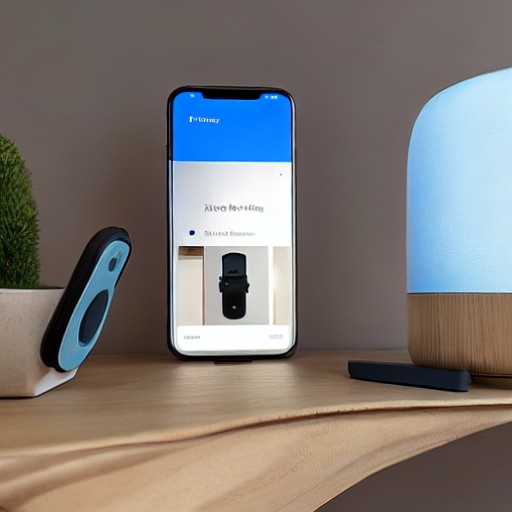
Recently, I had the opportunity to test out Amazon’s AI wrist gadget, known as Bee. Designed to be a personal assistant, it records and transcribes conversations throughout the day, providing summaries that can be useful if you’re forgetful or just want better organization.
The problem for me is my status as a privacy enthusiast. In a world where digital surveillance is constant, I appreciate not being recorded. The idea of walking around with an eavesdropping gadget strapped to my wrist 24/7 was not particularly appealing. However, in the right context — such as during professional engagements — Bee could be moderately competent.
During a business-related phone call, Bee provided a faithful summary that I could review later without re-listening to the entire conversation. This is undeniably helpful, though it’s similar to what other transcription services offer. The wearable does a relatively good job at summarizing conversations but can omit sections of chat — nothing huge, but it isn’t a complete account.
Bee also comes into play during my semi-weekly movie night with friends. It identified that we were watching Reservoir Dogs and labeled the conversation as “Tarantino Film Scene Analysis.” While Bee shows early promise for professionals, I would not want it recording me in my personal life. The company has been marketed Bee as a product for both professional and personal use, requiring expansive mobile permissions.
In short, while Bee is a curious piece of hardware with promising professional applications, some users might find its invasion into their personal lives too intrusive.