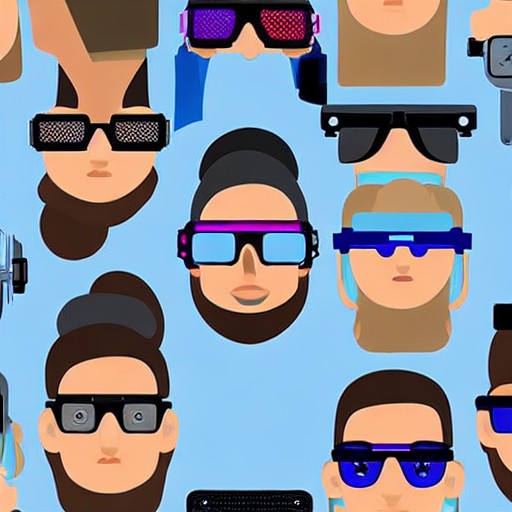
Can you tell when someone nearby is wearing Meta AI glasses? As millions of people buy into the smart glasses fad each year, the odds are increasing that you could be secretly recorded while simply going about your day. While bans and social pressure may help, comprehensive consumer privacy laws are still needed to protect against abuse.
Meta’s glasses are by far the most popular in this burgeoning industry. However, as they become more common, public places including schools, courts, restaurants and entertainment venues have begun to ban them. Even tech lovers have rejected Meta glasses in certain settings. The hackers behind DEF CON 2026 reportedly banned smart glasses with no exceptions.
But a ban is only as effective as the people enforcing it. Spotting a pair of smart glasses can require tech-savvy security staff, and enforcement may depend on users voluntarily disclosing their devices—or on watchful observers speaking up. Until then, privacy advocates remain wary.
A ban is an important way to push back against potential abuse, but increasing the social friction around non-consensual recording cannot stop the practice by itself. As AI advances, facial recognition could raise the stakes further, allowing the devices to be used to create convincing deepfakes or non-consensual intimate imagery of people who may not be aware that cameras are rolling.