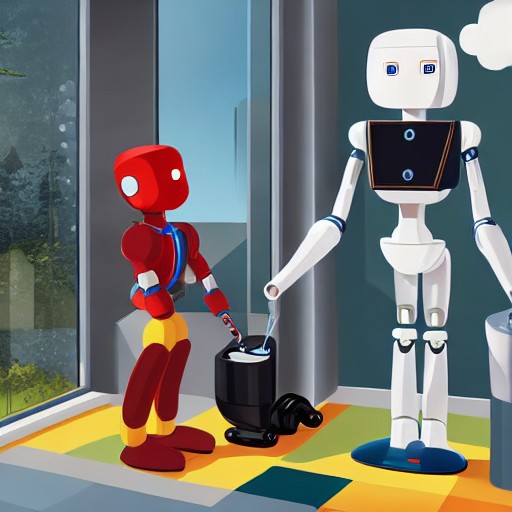
Martinez, California, is a small city perched on the edge of the San Francisco Bay Area, far from the maximalist visions of its tech rivals. Here, Hello Robot has released Stretch, their fourth generation home assistance robot. Unlike humanoid robots, Stretch is more industrial in design, with a telescoping arm that can grasp and move objects.
Founded by Aaron Edsinger, former director of robotics at Google, and Charlie Kemp, a professor from the Georgia Institute of Technology, Hello Robot aims to deploy robots in real homes rather than sterile laboratories. This approach is crucial as the tech industry grapples with limited training data for AI and an increasing focus on deployment.
Investor Keith Platt, who became quadriplegic in 2021, has been working closely with Hello Robot to develop Stretch for home use. Platt controls his robot using a voice-operated iPhone app, enabling him to perform tasks independently that previously required assistance from others. This work highlights the potential of robotic assistants to enhance independence and quality of life for people with mobility challenges.
However, the journey is fraught with hardware hurdles. While components are becoming cheaper, robots still struggle with heavy limbs and physics that don’t always cooperate. Mistakes can lead to damage, as seen in incidents where robots scratch furniture or break appliances. Despite these challenges, companies like Hello Robot are cautiously optimistic, focusing on safety and real-world applications first.
The future of home robotics is promising but complex. As hardware improves, we may see more robust and effective robotic assistants entering our homes, bringing both convenience and new levels of independence to people's lives.