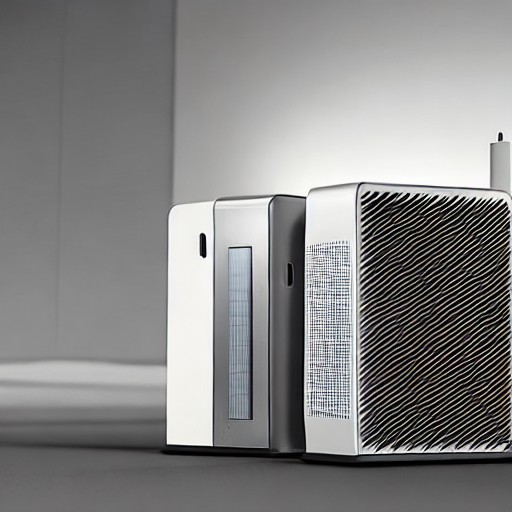
A home battery is like a giant power bank for your house, and there are several reasons you might want one. Maybe you want to store excess power from your solar panels or guard against outages. Or maybe you want to truly pull the plug and go off-grid. For me, I wanted to buy power at my cheap overnight EV charging rate and use it during the day when it’s usually four times more expensive.
I had an EcoFlow PowerOcean home battery installed two months ago, and I’m mostly pleased with how it’s working, but I’ll share my experience and run through the pros and cons for you here, including how the math adds up in saving me money in the long run. Preparing to install a home battery comes down to a few key considerations. First, check your electricity usage over the last few years to help you figure out how much power you need.
If you have solar panels or intend to get some, you need a hybrid inverter to convert the DC electricity produced by your solar panels into AC electricity you can use in your home. The inverter also manages when your home is powered by solar, battery, or the grid. This setup not only maximises energy efficiency but also reduces reliance on utility companies.
Since installation, I’ve noticed a significant reduction in my electricity bills. By storing power at night and using it during peak hours, I’ve cut my bill in half – no exaggeration there. However, the initial investment can be steep, which might deter some homeowners. Despite this, the long-term financial benefits are undeniable.
My overall experience with the EcoFlow PowerOcean has been positive. It’s user-friendly and integrates seamlessly into my daily life. While I still rely on the grid for occasional top-ups, the battery significantly reduces my environmental impact and energy costs. If you’re looking to make a smart investment in your home’s sustainability, it might just be worth considering.