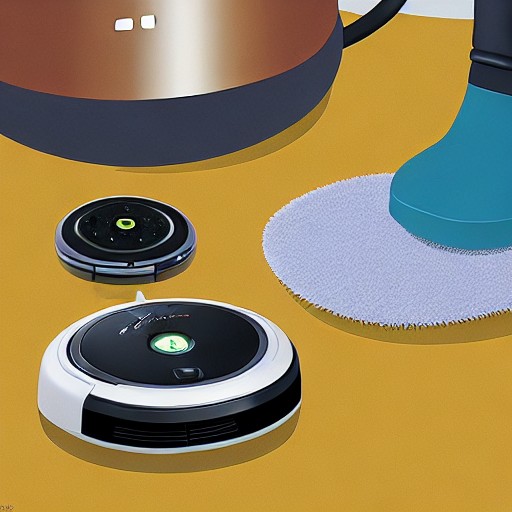
If your Roomba was anything like my first-generation model, it was more bump than clean. But its clumsiness belied a groundbreaking idea: that robots could make housework a lot less tedious.
The story of the Roomba is one of perseverance and innovation. After nearly a decade of development, and several near-misses, iRobot finally released their bot to the public in 2002. Little did they know it would become a cultural phenomenon, making once-feared vacuums into beloved household companions.
Far from just cleaning floors, Roomba paved the way for an entire industry of domestic robots. From robotic lawn mowers to automated pool cleaners, our homes are becoming increasingly autonomous. Yet, as iRobot expanded its offerings, it struggled to keep up with the market's appetite for new technologies.
The success of Roomba is a testament to how even imperfect solutions can capture the public imagination. Today, as we continue to dream up tomorrow’s gadgets, perhaps the real lesson lies in embracing our inner klutz—after all, sometimes it takes a bit of bumping around to find your way.