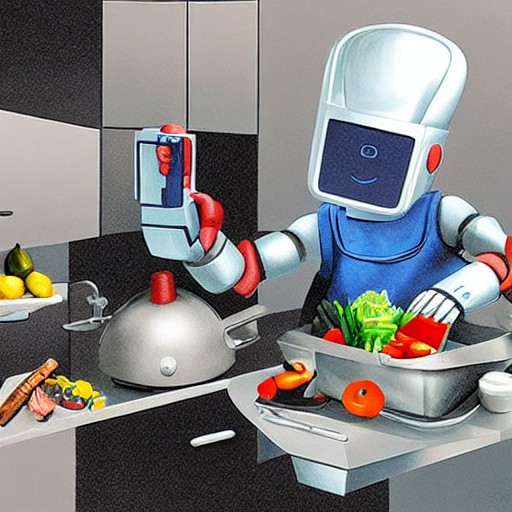
When chef Ollie arrived at my apartment with his camera-adorned hat, I couldn’t help but feel like a human guinea pig. He was there to film his every move as he prepared a three-course meal, with the aim of training future culinary robots.
The growing trend of egocentric data collection is fascinating yet unsettling. As I watched Ollie deftly chop and pipe his creations, I pondered whether my clumsy efforts could contribute to a more efficient kitchen companion in the future.
Microagi’s Shift division hopes that by recording these tasks, they can create a marketplace where people get paid for their human expertise, paving the way for a world filled with robot helpers. But as Kilic envisions an abundance of wealth brought about by tech innovations, I wonder if it will truly benefit everyone equally.
Free services in exchange for data might seem like a win-win, but the implications are profound. Will these robots be able to handle emergencies when they glitch? And what happens when we give them tools that could potentially harm us?
The culinary arts may soon have a new apprentice – one that will never tire or forget a recipe. But will it clean up after itself too?