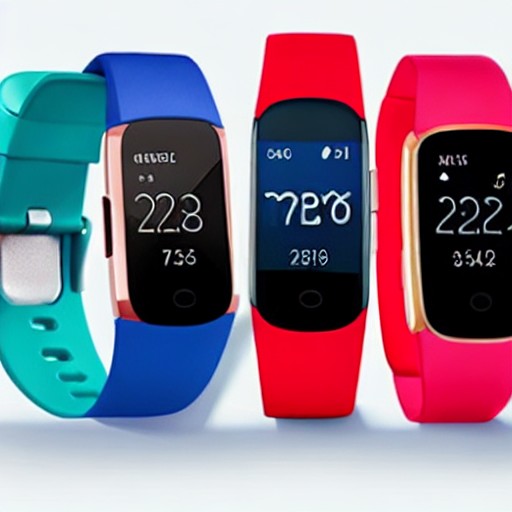
Utilities are now able to tap into the power of your smart devices, from thermostats to EV chargers, to manage energy use and reduce your bills. A virtual power plant (VPP) pools these devices to control electricity consumption during peak hours, offering participants discounts and, in some cases, significant savings on their energy bills.
The concept, while promising, isn’t without its challenges. Programs can be confusing, with eligibility criteria varying widely and not always clearly advertised. Plus, the degree of control you might lose over your devices can vary, from barely noticeable to significantly disruptive.
For some, the financial incentives make VPPs a no-brainer. For example, a smart thermostat program might offer an initial bonus of around $50 to $150, plus $25 to $50 per year, while home batteries and EV devices can yield much larger savings. However, the savings are often predicated on a degree of flexibility that not all households can afford.
The VPP landscape is rapidly expanding, with big players like Google investing in the technology. Yet, some programs may still have kinks to work out, including the risk of incorrectly predicting usage and potentially increasing energy bills for non-participants. Despite these risks, the potential benefits are significant, as VPPs can help utilities avoid expensive grid upgrades and manage peak demand more effectively.
To sign up, check your utility’s website and device manufacturer’s app for VPP programs that support your devices. Enrollment can be as simple as clicking through an app or filling out a form, but eligibility can be complex and specific, requiring careful consideration.