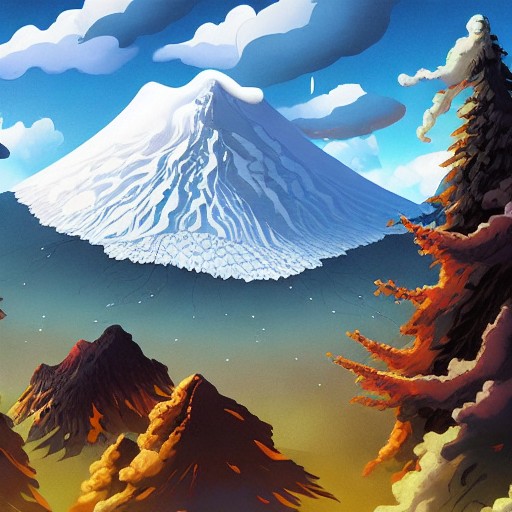
In 1991, Pinatubo in the Philippines self-destructed, killing 800 people. But scientists saved countless lives with early warning, despite limited understanding. Now, with advanced instruments and machine learning, volcanology has made great strides. Can volcanoes be forecast like weather, with 80% certainty a week in advance?
Unlike weather, which is always happening and measurable, magma is kilometers underground and erupts only once every few decades. Each volcano's unique structure and triggers complicate matters further. Forecasting is more about acute caution: heightened unrest doesn’t always mean eruption. Even with sophisticated alert systems, volcanoes can ambush us.
The challenge lies in predicting how the 'symphony' of seismic, ground and satellite data will climax before it starts. At best, volcanologists can predict unrest, not eruptions. But there is hope. As one scientist says, 'The short answer—otherwise I wouldn’t be doing this—is yes.' The future of volcanic forecasting may yet resemble today’s weather models.