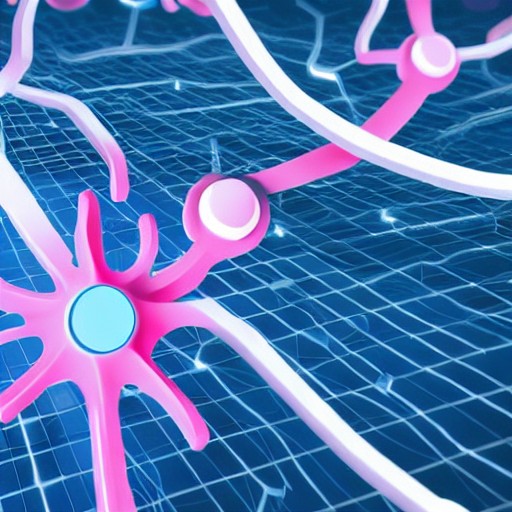
In recent years, the concept of ‘organoids’—small patches of tissue formed using stem cells—has sparked excitement in the scientific community. These miniature tissues mimic the structure and cell types of various organs, providing a more accurate model for studying human diseases.
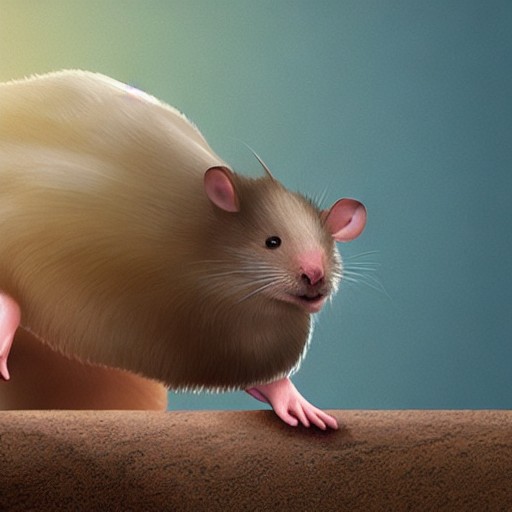
However, even these advanced organoids fall short in their complexity, particularly for the brain. Brain organoids, while impressive, lack the intricate connections with specialized brain structures necessary for normal function. This limitation is now being addressed by a research group at Stanford University, which has successfully replaced a significant portion of a mouse’s cortex with human brain organoid cells. This innovative approach aims to create a more natural and integrated environment for studying the brain.
The study highlights the potential for integrating human brain cells into animal models to better understand neurological conditions and diseases. By genetically modifying a mouse to replace its natural brain cells with human organoids, researchers can observe how human brain cells behave in a living, albeit partially humanized, environment. This could lead to breakthroughs in understanding the complex interactions within the human brain.
While this research represents a significant step forward, it also raises ethical and biological questions. The integration of human brain cells into animal models could provide unprecedented insights into brain function and disease, but it also challenges our understanding of what it means to be human. The ethical implications of such experiments are complex and may require careful consideration as this technology advances.
In conclusion, the ability to swap human brain cells for those of a mouse opens up new avenues for research and understanding. However, it also prompts us to consider the boundaries of what we are willing to do in the name of science. As we continue to push the limits of what is possible, we must also navigate the moral and ethical implications of our advancements.