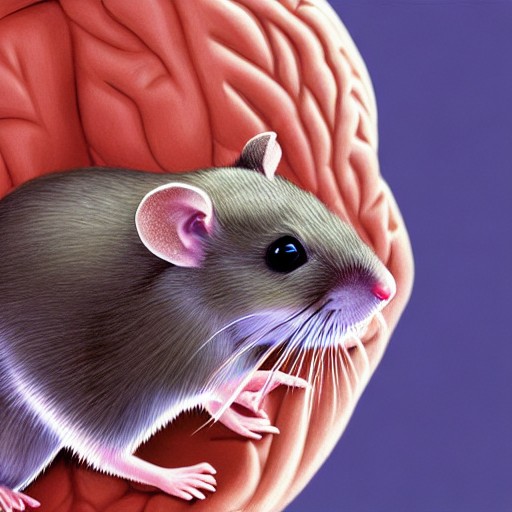
A Stanford team has replaced nearly half of a mouse's brain with human cells, opening new avenues for brain injury studies but raising ethical questions. Meanwhile, young innovators are tackling climate challenges, from cleaner steel to AI energy efficiency. The future of technology is promising, if a little unsettling.
Global experts propose AI safety measures akin to nuclear safeguards, while the US and China discuss potential talks. Innovations like new lithium extraction methods and AI-efficient refrigerants offer hope, but AI forecasting triumphs and dating scams via AI remind us of its dual nature. Digital organs are also transforming medical treatment, promising better surgeries and drug development.
The world of technology continues to blur species lines and tackle environmental challenges, highlighting the importance of ethical considerations and collaboration. Whether it's mice with human brains or climate tech pioneers, the future is both fascinating and fraught with dilemmas.