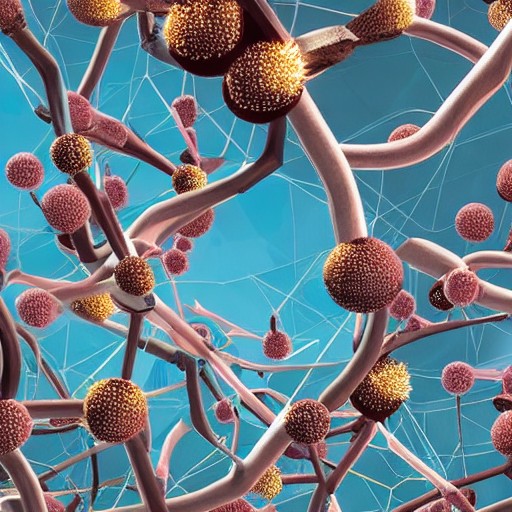
For years, scientists believed the brain’s sleep patterns were controlled by deeper regions. But a recent study in Nature turned this assumption on its head, revealing a small group of cells in the cerebral cortex that can initiate sleep on their own.
These cells, known as Sst-Chodl neurons, account for just 1 percent of inhibitory neurons in the cortex. By activating them in mice, researchers demonstrated that these neurons can independently trigger deep sleep rhythms, suggesting a previously unknown level of brain autonomy.
“What this work shows is that the cortex can not only observe these rhythms but also initiate them by itself, and this is enough to promote sleep,” explained Geoffrey Terral, one of the lead researchers from the Albert Einstein College of Medicine.
The challenge lay in identifying and manipulating these specific cells. Previous attempts to target these neurons using gene activity markers were unsuccessful due to the heterogeneity of the neurons involved. It took Batista-Brito and her team years to refine a strategy that labels only the cells where both required genes are active, allowing for precise manipulation.
This discovery could have significant implications for our understanding of sleep disorders and the development of therapies that target sleep issues directly at the cellular level. Whether this will one day allow us to control our dreams remains to be seen.