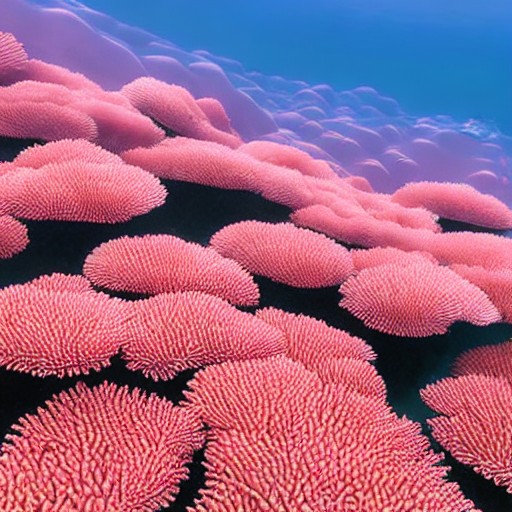
The microscopic cilia of corals, previously seen only as simple cleaners, are now known to orchestrate a life-or-death ballet, generating oxygen-rich water vortexes to survive night-time and thermal stress. Yet, as oceans warm, these vital micro-vortices may falter, threatening the very survival of these complex marine ecosystems.
Rachel Alderdice, a marine biologist, notes that cilia could serve as a more direct indicator of coral health, explaining why some colonies bleach while others thrive in the same environment. This new insight challenges our understanding of coral physiology, showing that the friction at the coral’s surface creates a dynamic boundary layer that cilia actively manipulate to sustain life.
The groundbreaking 2014 MIT study revealed that cilia are not mere brooms, but crucial players in oxygen diffusion. They generate swirling water flows, overcoming the sluggishness of natural diffusion. However, as temperatures rise, the efficiency of these micro-vortices diminishes. Oxygen levels drop, and corals face the double-edged sword of increased ciliary activity and reduced oxygen availability.
Scientists are now collaborating to better understand how these physiological and hydrodynamic forces correlate with coral health, bleaching, and disease. The story of corals’ survival is far from simple, intertwining complex biological processes with environmental challenges. As we face global warming, the fate of these intricate marine ecosystems hangs in the balance, dependent on the delicate dance of cilia.