NASA must be more discerning in its international partnerships as it races to the Moon’s south pole, according to its administrator, Jared Isaacman. The region holds key resources, including ice that could be converted into water, air and fuel for a Moon base and potential Mars missions.
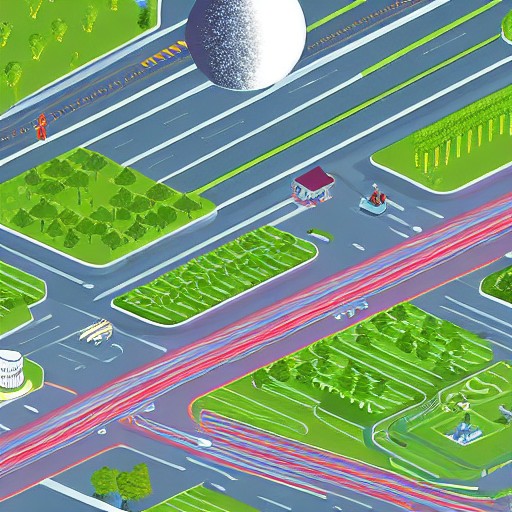
‘The south pole is more like Washington DC with limited parking spots,’ Isaacman said. ‘We want to go there to master skills for Mars, but the Chinese are also heading to the same locations and could put a nuclear reactor there, potentially denying America access to this crucial training environment.’
The 21st-century Moon race is no longer just about national prestige but about securing resources and strategic positions. Isaacman’s comments reflect a pragmatic approach to international collaborations, focusing on the tangible benefits for the US space programme.
‘There are only so many roads and good parking spots on the Moon that you’re going to want to occupy,’ Isaacman added. ‘The best spots are those with access to continuous sunlight, essential for power generation. But the Chinese are also eyeing these locations, and they might beat us to the punch.’
The race to the Moon is not just a technological challenge but a geopolitical one. Isaacman’s emphasis on ‘good deals’ over ideological battles underscores the need for strategic planning and partnerships that ensure America’s long-term space ambitions.