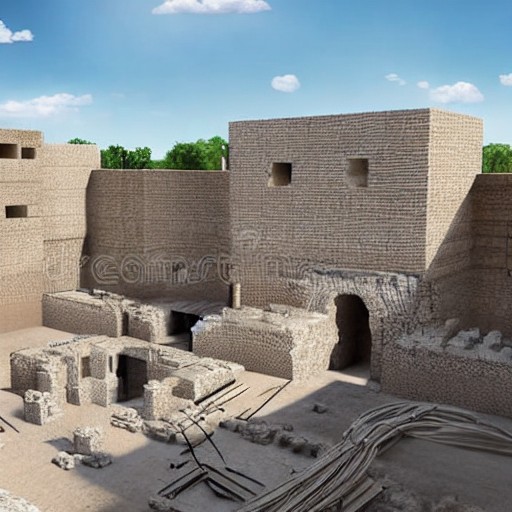
The discovery of a 2,000-year-old wall beneath a Paris hospital may finally solve the mystery of where ancient Lutetia, and by extension, modern Paris, began. Archaeologists stumbled upon the 72-foot stone-and-wood structure during the construction of the Hôtel Dieu hospital on the Île de la Cité, the heart of Paris. The find has changed the minds of some sceptics, including Matthieu Poux from the University of Lyon II, who now believes the ancient city was indeed located there.
The wall is carbon dated to between 200 BCE and 10 BCE, coinciding with the period when Rome conquered Gaul. Intriguingly, archaeologists also found a charred Gallic spearhead and evidence of a burned wooden building nearby, suggesting the possibility that this is a physical trace of the destruction described by Julius Caesar more than two millennia ago. However, researchers are cautious and require further study to confirm these claims.
This discovery is significant as it provides a tenfold increase in available evidence on the subject, filling in a major gap in the history of one of the world's most excavated cities. Archaeologists now know more about Roman Paris, including settlements beneath today's Latin Quarter and Luxembourg Gardens, but Gallic Paris has been much harder to pinpoint. The find around the hospital will continue, with the wall eventually being removed for study and display.