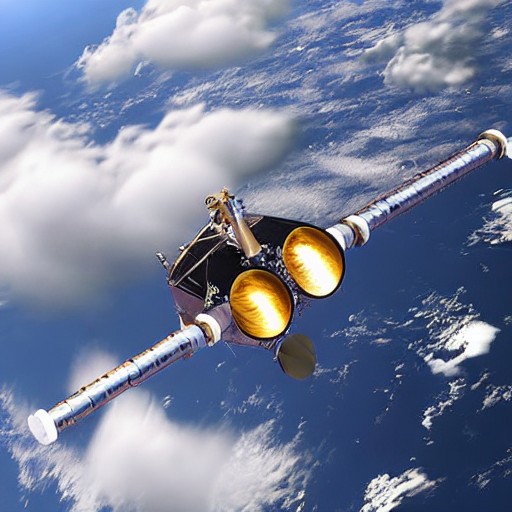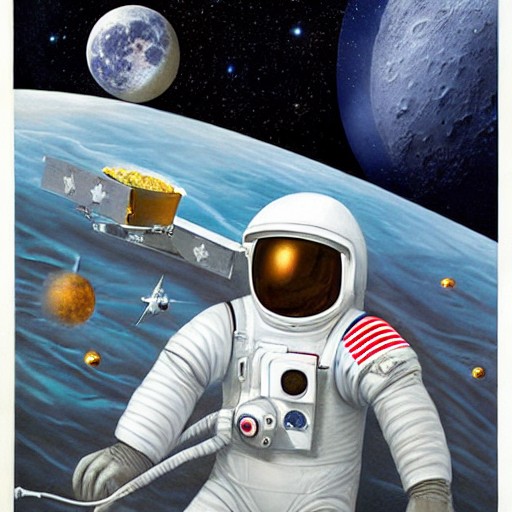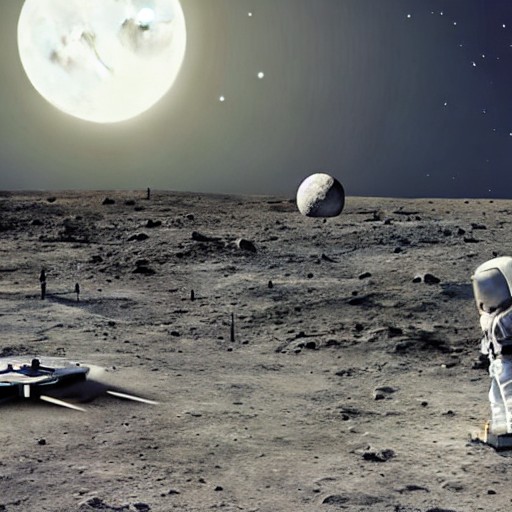
The moon may be a hellhole, but the race to colonize it is heating up. With NASA leading the charge, and China and other nations hot on their heels, the lunar surface could soon be dotted with bases, power plants, and research stations. Yet, the harsh conditions and high costs pose significant hurdles.
Daytime temperatures soar above 250°F, while nights plummet below –200°F. The thin, radiation-charged atmosphere and razor-sharp lunar dust make habitation perilous. NASA plans to exploit the moon's south pole, where water ice could provide life-sustaining resources, but the temperatures there are some of the coldest in the universe.
Despite these challenges, technology is advancing. Solar panels, nuclear reactors, and autonomous robots could help establish a self-sustaining moon base. Yet, the question remains: will the costs and risks be worth it for the scientific and technological breakthroughs?
Carlos García-Galán, NASA’s moon base program manager, envisions a vast expanse of lunar settlements. But Philip Metzger, a spaceflight engineering researcher, warns that the key will be managing acceptable risks. Can humanity turn science fiction into reality on the moon, or is it just a hostile environment for a short, expensive experiment?