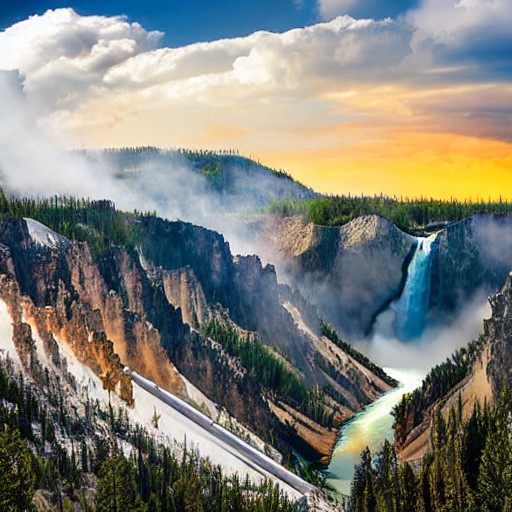
A new paper proposes that far from being a simple mantle plume, the Yellowstone hotspot is fueled by the stresses of an ancient tectonic plate—specifically, the Farallon plate—which once shaped California and now powers the volcanoes of Washington.
This theory challenges our understanding of how hotspots form. Typically, oceanic hotspots like those in Hawaii are driven by plumes of molten rock from deep within the Earth. However, Yellowstone's unique geology suggests that it operates more like a continental hotspot, which is less common and harder to explain.
The Farallon plate, now mostly subducted under North America, left behind geological scars that might still be influencing volcanic activity today. This means that even as we explore the surface of Mars, there are still unanswered mysteries about our own planet's dynamic interior.
While this theory is intriguing, it will require more evidence to confirm. If proven correct, it could change how geologists think about the formation and movement of hotspots across continents.