Drug development has long relied on animal models, but differences between species mean what works in animals doesn’t always translate to humans, and most drugs still fail during development.
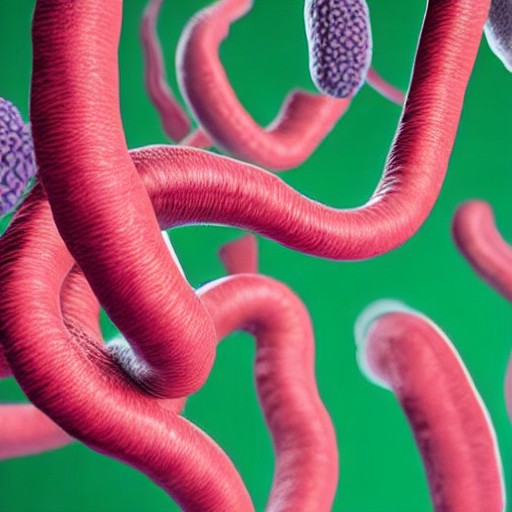
Intero Biosystems, a Denver-based startup, is developing human intestinal organoids, lab-grown tissue that mimics the gut, as another way to study how drugs and other compounds might affect the human body before they are tested in people.
Intero’s flagship product, GastroScreen, is a human intestinal organoid model that it sells to pharmaceutical, biotech, food, and chemical companies for testing drugs and other compounds. Each organoid is about one millimeter across, and the company ships roughly 100 at a time in a tube.
Federal regulatory changes have also helped drive interest in alternatives to animal testing. In April of last year, the U.S. Food and Drug Administration (FDA) laid out plans to reduce its reliance on animal testing in drug development, promoting alternatives including organoids, organs-on-chips and AI-based computational models as potential alternatives.
Intero says it sets itself apart from competitors in the complexity and scalability of its model. Unlike intestinal models grown from tissue collected through procedures such as colonoscopies, GastroScreen is derived from induced pluripotent stem cells, which are adult cells reprogrammed to become almost any cell type and can be generated from a blood sample.