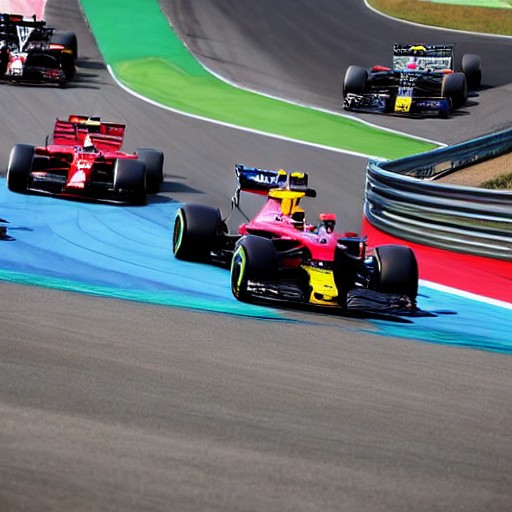
While Formula 1 enjoys an unforeseen hiatus due to geopolitical events, teams are seizing the opportunity to refine their hybrid power units. Aston Martin, Cadillac and Williams will benefit from this break as they try to catch up with the midfield pack. Even Mercedes, the current championship leader, has areas for improvement, such as reducing early race position losses or enhancing mid-race overtaking.
The new hybrid systems, with a turbocharged V6 engine and electric motor-generator unit (MGU), are causing headaches. The MGU can also charge the battery while the car is in motion, much like a plug-in hybrid on the road. However, F1 tracks often lack enough braking zones to fully recharge the battery, meaning drivers must regenerate energy through lift-and-coast maneuvers.
The rules allow for more than one charge per lap, up to 8 MJ at the Japanese Grand Prix, but in practice, this isn’t always sufficient. This means drivers need to strategize their braking and acceleration to make the most of these energy-saving opportunities. The challenge is finding the right balance between on-track performance and off-track efficiency.
The FIA, along with technical representatives from each team, are meeting throughout the break to address these issues. Their aim is to ensure that the hybrid systems work seamlessly without compromising race outcomes. This ongoing tweaking underscores the complexity of integrating eco-friendly technology into a high-performance sport.