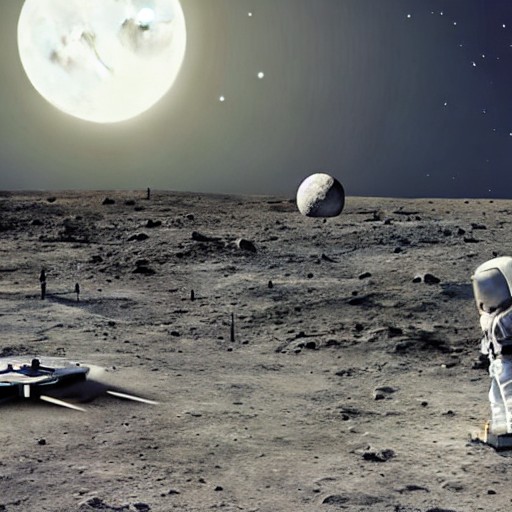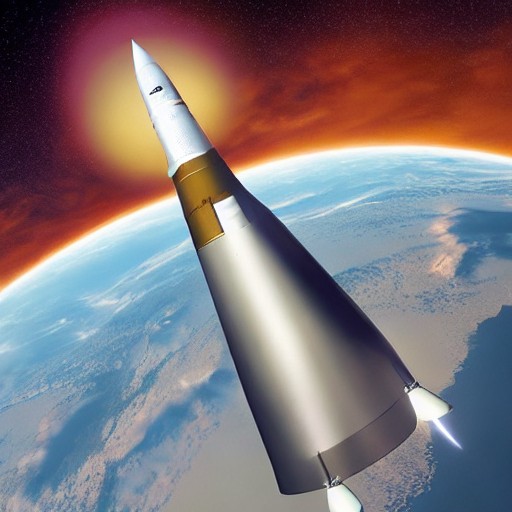
When NASA’s mighty SLS rocket launches in April, it will send four astronauts on a historic trip to the far side of the moon. This isn’t just a step forward; it’s a leap into the unknown.
The rocket's core stage, built by Boeing, is as colossal as it gets—537,000 gallons of liquid hydrogen and 196,000 gallons of oxygen powering four mighty engines to produce more than 1.7 million pounds of thrust. It’s a testament to engineering that one day may see humanity on Mars.
The mission is part of NASA's Artemis program, aiming for the first woman and next man on the moon in 2024. Artemis II will be a 10-day flyby, with the crew including experienced astronauts Reid Wiseman, Victor Glover, Christina Koch, and Jeremy Hansen. They'll travel 637,000 miles from Earth to the moon’s far side, farther than any human has gone before.
The journey is fraught with challenges, but it comes with unprecedented opportunities for scientific discovery. The crew will test new technologies and spacecraft systems, paving the way for future missions and a permanent lunar base. It's not just about getting there; it's about charting a course to the stars.
In the end, Artemis II is more than a mission—it’s humanity's next big step into the cosmos, powered by innovation and determination.