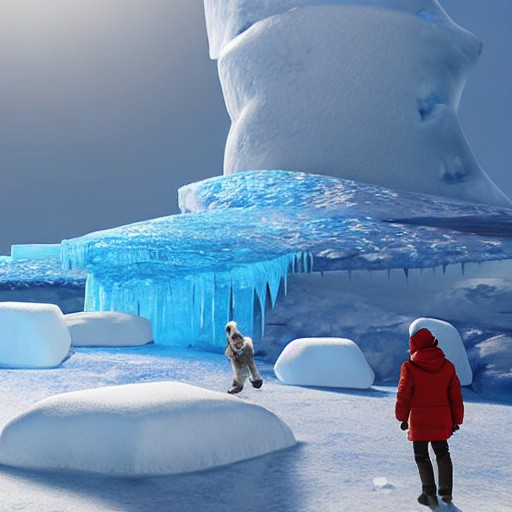
New research shows that climate change is pushing the world's ice beyond its safe zone, with dire consequences for our planet. The cryosphere, which includes polar sea ice, mountain glaciers, and permafrost, is rapidly deteriorating, and this could lead to significant changes in global climate and sea levels. The risks are vast, from the potential collapse of the West Antarctic Ice Sheet, which could raise sea levels by 11 feet, to the release of vast amounts of carbon and methane stored in permafrost, accelerating global warming.
The study highlights the importance of reducing emissions as the most urgent step to protect our icy landscapes. However, scientists are exploring more radical interventions, such as covering glaciers in reflective blankets and pumping cold water to the surface. While these measures could buy time, they are expensive and unproven, and cannot address the root cause of the problem: the burning of fossil fuels.
Albert Norström, a climate researcher, warns that as we approach the 1.5 degrees Celsius threshold, we are gambling with potentially triggering Earth system tipping points. The safe operating space framework helps us understand how far the cryosphere has moved from supporting a stable Earth system, and underscores the need for immediate action.
The consequences of a changing cryosphere extend beyond the poles, affecting global weather patterns and ecosystems. It's a wake-up call that the ice we've relied on is melting, and humanity must act now to safeguard our future.