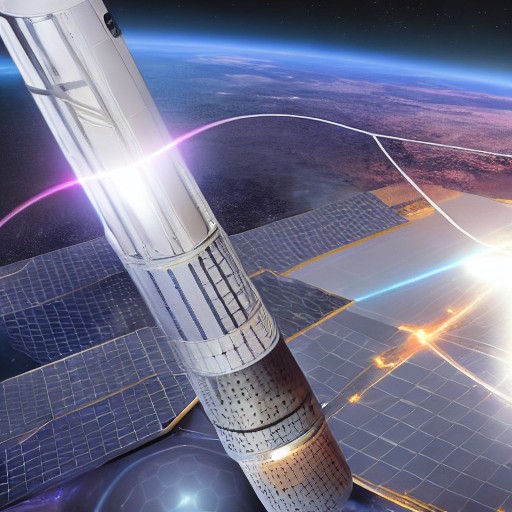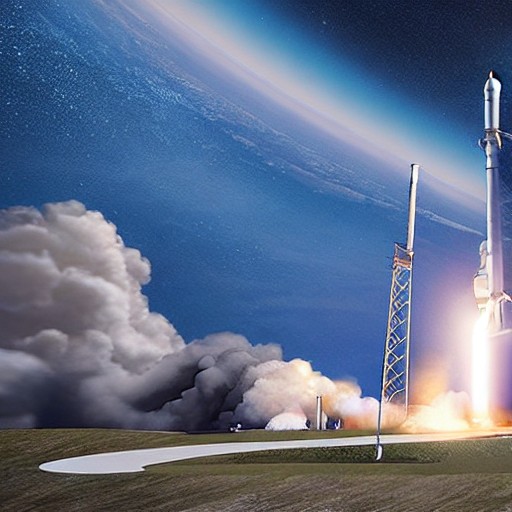
NASA's latest plans for the Artemis program have sparked a series of engineering challenges, with the Orion spacecraft facing a major reconfiguration. To accommodate SpaceX's Starship lunar lander, Orion will need to travel to the Moon with its Service Module positioned at the top, a maneuver that differs significantly from its original design.
This backward flight will impact Orion's propulsion system, requiring modifications to the Service Module's propellant tanks. According to Kirk Shireman, the Orion program manager, liquid propellant would move towards the gas inlet side of the tanks, posing a risk of 'bad things happening.' The European Space Agency and its main contractor, Airbus, are now tasked with adapting the tanks for Starship missions.
The move towards flexibility in lunar missions is a double-edged sword, benefiting the lunar landers but imposing additional burdens on Orion. The spacecraft, built by Lockheed Martin, was not originally designed to fly in this orientation, necessitating significant engineering adjustments.
This change underscores the complexity and adaptability required in space exploration. As Orion takes on a new flying posture, it raises questions about the future of spacecraft design and the challenges of integrating new technologies into existing missions.