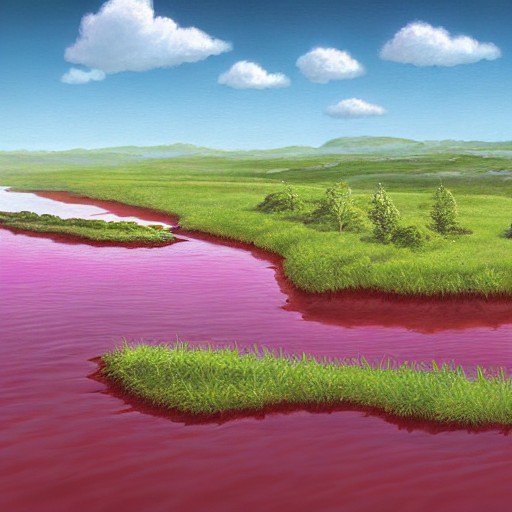
While the spotlight often falls on fossil fuels, land use change, particularly the draining of peatlands, is responsible for a significant chunk of our global warming puzzle. Peatlands, like bogs and fens, store vast amounts of carbon, but draining them releases methane, a potent greenhouse gas, into the atmosphere.
These waterlogged areas naturally produce methane due to anaerobic bacteria, which is released when peatlands are drained. Unlike the aerobic bacteria that produce CO2, these anaerobic bacteria don't digest all the organic matter, leading to a gradual release of methane. Methane's potency as a greenhouse gas means that even a small release can have a significant impact on global warming.
Historically, peatlands have been drained for agricultural use, significantly altering their water levels and thus their ability to produce methane. A recent study by MIT estimates that draining peatlands has contributed more CO2 to the atmosphere than previously thought, highlighting the importance of protecting these crucial ecosystems.
The researchers used modern measurements of gas emissions from surviving peatlands to model the historical release of CO2 and methane. The results indicate that peatland drainage has been a substantial contributor to climate change, particularly in regions where methane emissions are more significant.
As we continue to grapple with the complexities of climate change, it's clear that protecting and restoring peatlands could play a vital role in mitigating global warming. The challenge now is to balance agricultural needs with the urgent need to preserve these carbon sinks.






