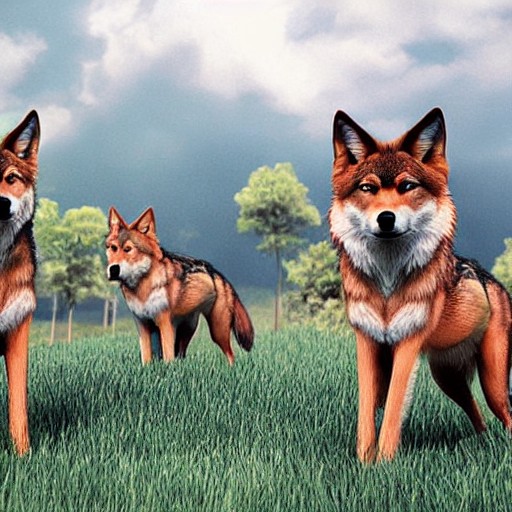
Colossal Biosciences has announced that it has cloned red wolves, raising hopes for the species' survival. But are these claims as solid as they seem?
The red wolf has long been a contentious species, with its existence and habitat constantly under threat from human encroachment. The debate over its preservation intensified last year when Colossal Biosciences announced it had cloned the animal.
Master’s student Tanner Broussard, who grew up in southwest Louisiana watching coyotes roam his parents’ ranch, was startled to learn of this project. He had recently returned to college after a seven-year break and was already deeply involved with wolf conservation projects before Colossal’s announcement came as a surprise.
Red wolves are an apex predator once found across the eastern United States, but their numbers dwindled rapidly due to human conflict. Now, the question remains: Can these newly cloned red wolves help restore the species' historical range? Or is this just another step in the complex dance between nature and technology?