China has taken a historic step by becoming the first nation to approve a commercially available brain chip, which enables individuals with paralysis to control mechanical hands through their thoughts. The device, called NEO, developed by Neuracle Medical Technology, is now authorized for use on people aged 19 to 60 who suffer from neck or spinal cord injuries that render them unable to move their limbs.
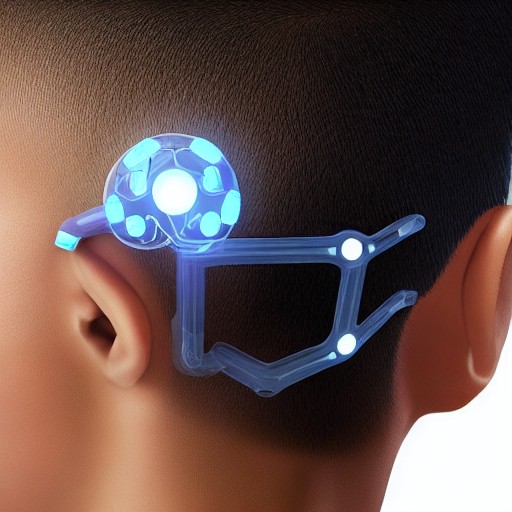
The chip, about the size of a coin and embedded in the skull, features eight electrodes placed directly onto the brain area responsible for body movement. When users imagine moving their hand, these thoughts are translated into signals by the chip, which then trigger actions performed by an assistive robotic glove capable of performing basic tasks such as picking up objects or manipulating utensils.
Following 18 months of rigorous testing that confirmed its safety, the National Medical Products Administration in China green-lighted this revolutionary technology. According to reports, 32 people have already been tested with no reported adverse effects, setting a precedent for brain-computer interfaces (BCIs).
While other companies like Neuralink are making progress in BCI development, none has yet gained regulatory approval for commercial sale. This approval represents a significant advancement that could pave the way for broader applications of neurotechnology.
China's ambitious plan to dominate the brain implant industry aligns with this breakthrough. In just months, the country unveiled a policy document aimed at establishing a globally competitive BCI sector within five years. The strategy includes promoting mass production of non-invasive devices and testing them in high-risk industries, such as nuclear energy and mining.
For now, brain implants focus on restoring autonomy to people with disabilities. However, experimental devices are already emerging that allow users to communicate through thoughts, operate computers without physical movement, and even restore vision. With this commercial approval of NEO, the industry is poised for further innovation and expansion.