The hantavirus outbreak aboard the MV Hondius cruise ship has exposed how climate change can dramatically impact public health. Researchers link wetter years to explosive rodent population booms, amplifying disease transmission.
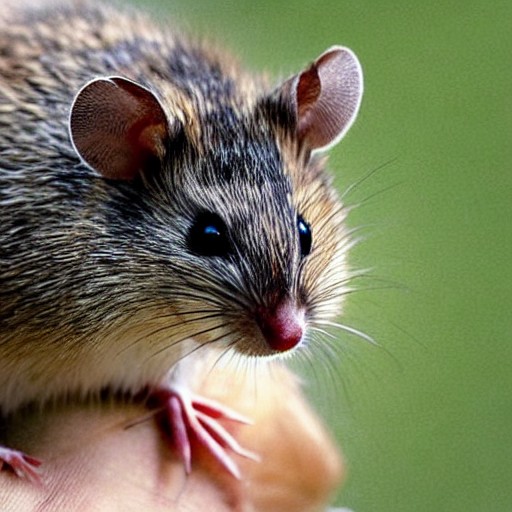
Several species of long-tailed pygmy rice rats, such as the Patagonian long-tailed pygmy rice rat (Oligoryzomys longicaudatus), act as primary reservoirs for hantavirus. When food becomes abundant, these rodents reproduce rapidly and spread the virus through urine, feces, and saliva.
In recent years, increased rainfall has led to more viral transmission in Argentina. Studies show that central regions experienced above-average rainfall after years of drought, while Patagonia saw a mix of wetter and drier conditions. These shifts likely expanded food availability for rodents, driving their population growth and the spread of hantavirus.
The changing landscape also means new areas are becoming at risk. As humans encroach on natural environments, interactions with rodents increase, posing a growing threat to public health. Land-use changes and rodent adaptability may further exacerbate this issue.