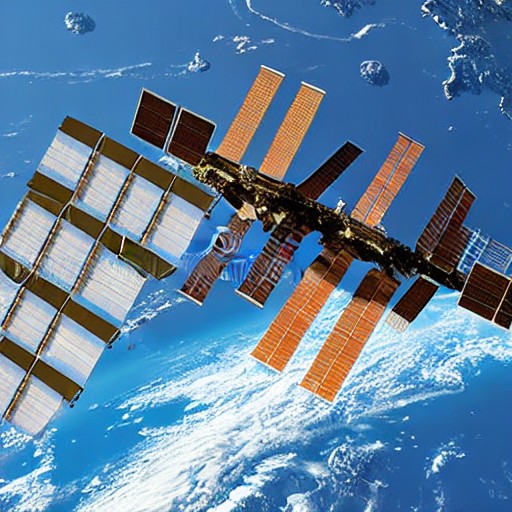
NASA and partners are gearing up for the demise of the International Space Station (ISS) by 2030. But before it comes down, experts at Thursday's Smithsonian panel debated how to preserve this iconic structure, now an integral part of human culture.
The discussion centred on what can be salvaged from the ISS, acknowledging its sheer size and complexity make total preservation impossible. Curators, astronauts, and archaeologists worked together to identify artifacts with significant historical value.
“We made space boring—technically and culturally,” said Jacob Keaton, NASA’s acting director for Space Operations Directorate. “Boring in this case means we’ve turned a once-futuristic idea into the norm, part of our national fabric.”
The challenge lies not just in what to save but how to make it relevant to future generations. From astronaut paraphernalia to scientific instruments, each item must tell a story of human achievement and technological advancement.
“How do we capture this ‘boring’ yet monumental legacy for museums?” Keaton mused. “It’s about more than just objects; it’s about preserving the spirit of continued exploration that defines us.”