Three years ago, a submarine detected an enigmatic golden orb on the ocean floor of the Gulf of Alaska. Its smooth surface hinted at no known creature, leading to initial speculation among social media users about extraterrestrial origins.
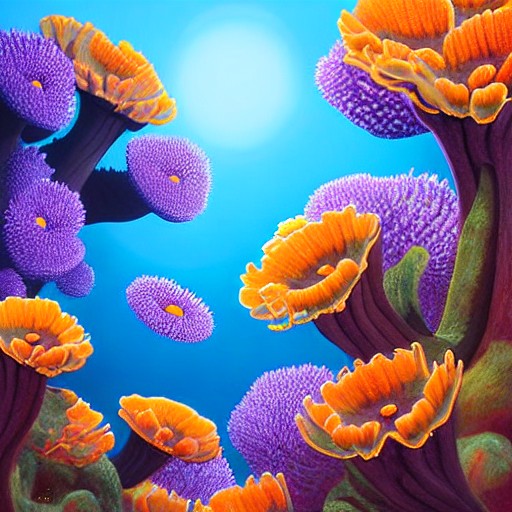
New research has since revealed that this mysterious orb is actually part of Relicanthus daphneae, a giant and rare deep-sea anemone. These creatures can grow up to 30 centimetres in diameter and live between 1,600 and 4,000 metres below the surface, challenging our understanding of marine biology.
The study’s authors sequenced DNA from the material, finding a match with Relicanthus daphneae. However, these remains did not correspond to any known structures of this species or other anemones. Further analysis revealed that as it moves along the ocean floor, R. daphneae leaves behind a golden cuticle which eventually disintegrates or is buried.
This discovery highlights how much we still have yet to discover and understand about obscure deep-sea fauna. With over 80% of the ocean remaining unmapped, unobserved, and unexplored directly, such mysteries will continue to challenge our perceptions of life on Earth.