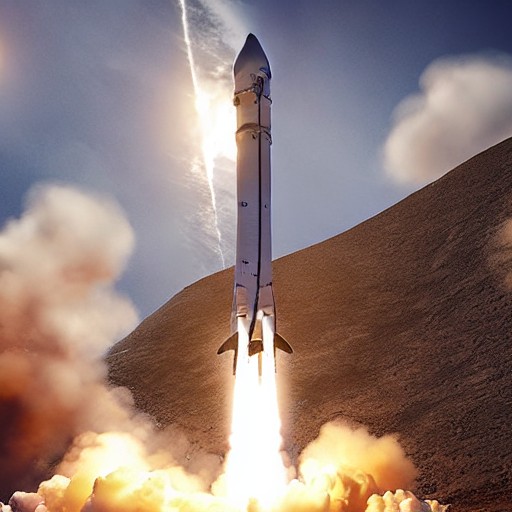
SpaceX launched the first test flight of its upgraded Starship rocket and Super Heavy booster on Friday, with mostly positive results. The powerful rocket, propelled by 33 methane-fuelled main engines, climbed away from SpaceX’s Starbase launch facility in South Texas at 5:30 pm CDT (6:30 pm EDT; 22:30 UTC).
Within a few seconds, the 408-foot-tall (124-meter) rocket, the largest ever built, cleared the launch tower and turned onto an eastward heading over the Gulf of Mexico. SpaceX officials appeared pleased with the performance of Starship V3 on Friday.
Gwynne Shotwell, SpaceX’s second in command, wrote on X, “This was an incredible first flight of a brand new vehicle. Our collective future flying amongst the stars has become so much closer.” However, the launch marks only a small step forward for SpaceX's ambitious plans to land people on the Moon.
Leaders at NASA were closely watching the launch as SpaceX relies on Starship for its human-rated Moon lander. Jared Isaacman, NASA Administrator, lauded SpaceX for “a hell of a V3 Starship launch.” But the gap between test flights was long—over seven months—and this version of Starship fared better than previous ones.
The 12th test flight was a long time coming, with engineers steering Starship V3 through ground testing. SpaceX used the downtime to complete construction and activation of a second launch pad at Starbase. Despite its successful debut, Starship V3 remains a work in progress as humanity inches closer to its lunar aspirations.