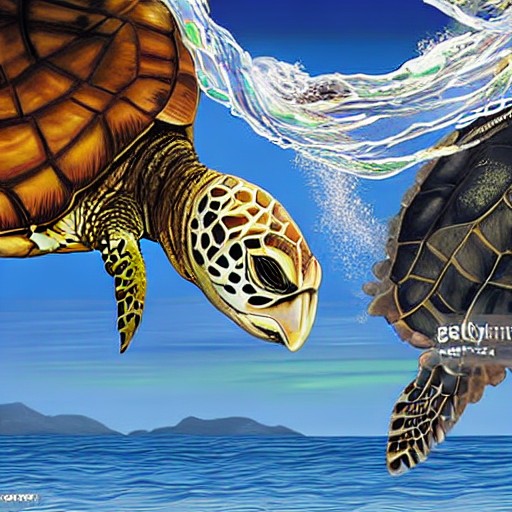
Our oceans are filled with sophisticated yet imperfect traps—nets, hooks, and fishing lines designed to catch fish for dinner but often ensnaring marine life not meant for menus. This accidental harvest is known as bycatch, leading to the tragic deaths of millions of sea creatures annually.
Bycatch isn’t just an environmental issue; it’s a practical one too. Accidentally snared animals can damage fishing equipment and disrupt fisheries’ operations, causing financial losses and tarnishing reputations. Despite these challenges, researchers are optimistic about new technologies that could reduce bycatch, from nets with embedded lights to repurposed plastic water bottles.
Matthew Savoca, a marine biologist at Stanford University, notes that industry, conservationists, consumers, and fishermen all share the same goal: less bycatch. A recent study explored nets fitted with lights, while low-tech methods like attaching plastic water bottles to fishing gear are showing promise in reducing bycatch without overly complicating life for fishermen.
However, implementing these solutions is easier said than done. Many mitigation strategies remain untested or underutilized due to a combination of costs and lack of widespread adoption. Yet, with ongoing research and innovation, there's hope that we might indeed outmanoeuvre our own fishing equipment in protecting marine life.
The bycatch problem has always existed and is intrinsic to the very act of fishing. Nancy Knowlton, a marine scientist from the Smithsonian’s National Museum of Natural History, acknowledges this inherent conflict but remains hopeful as researchers explore novel ways to preserve both fish stocks and endangered species like turtles.