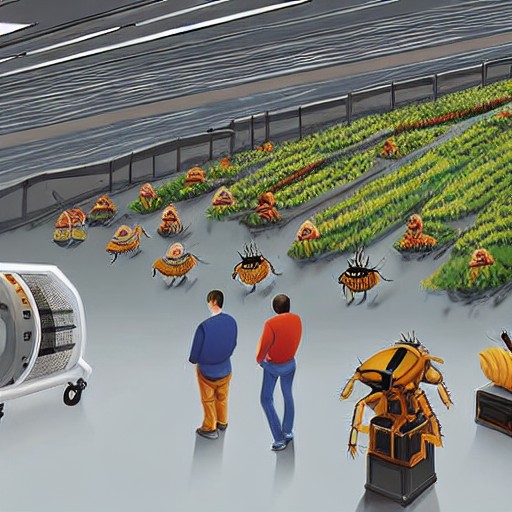
Step inside the hi-tech insect farm where mealworms munch on recycled food waste and convert it into protein-packed snacks. This isn't your grandmother's grub; these farms are precision-engineered to maximise efficiency, from temperature control to automated feeding systems.
The rise of insects as a viable source of sustainable protein is no longer just a quirky idea. With climate change making traditional agriculture less viable in many regions, insect farming emerges as a beacon of hope. Its low environmental impact and high nutritional value make it an attractive prospect for food security advocates.
But the journey from lab to plate isn't without its challenges. Scaling up production, ensuring consumer acceptance, and navigating regulatory hurdles are all crucial steps that need to be taken. The success of this industry will depend on how well it can integrate into existing food systems while maintaining its ecological benefits.
Insect farming is just one part of a broader trend towards more sustainable practices in agriculture. From vertical farms using AI to optimise growth, to biodegradable packaging reducing waste, the future of food looks increasingly high-tech and eco-conscious. As we grapple with the challenges of feeding a growing global population, these innovations offer tantalising glimpses of a greener tomorrow.
So next time you're munching on a cricket bar or sipping insect-based smoothie, remember: you might be part of the future of food—or at least, a future where bugs are in vogue. 🌍✨