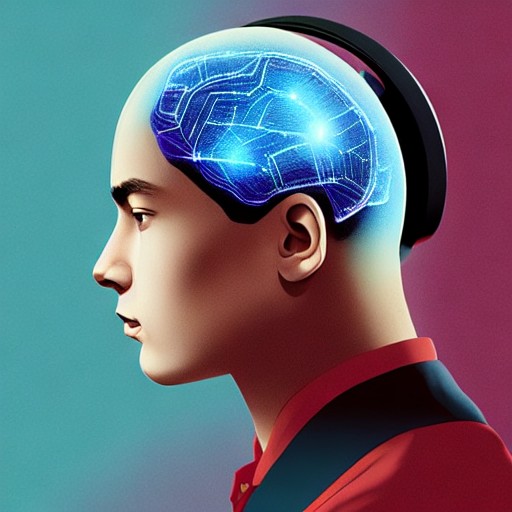
Galen Buckwalter didn’t just regain movement; he’s now composing music with his mind. The 69-year-old quadriplegic has six chips in his brain decoding his intentions and enabling musical tones. This isn't just about function: it's a step towards artistic freedom through neural interfaces.
Sean Darcy, a Caltech student, developed an algorithm that lets Buckwalter think about movements to create tones. He can now produce two at once, but the challenge lies in managing more complex melodies without chaos.
Making music is personal; Buckwalter's punk band Siggy has been together for 29 years. His latest song, 'Wirehead,' reflects on brain-computer interfaces (BCIs), blending his creative passion with cutting-edge technology. It’s a testament to the potential of BCIs extending beyond mere functionality.
Reflecting on his experience, Buckwalter notes the academic focus often overlooks participant interests. Yet, his journey proves that BCIs can offer not just solutions but also profound new avenues for self-expression and creativity.
The future of neural tech could mean more than just communication and movement; it’s about opening up a world where thoughts themselves become art.